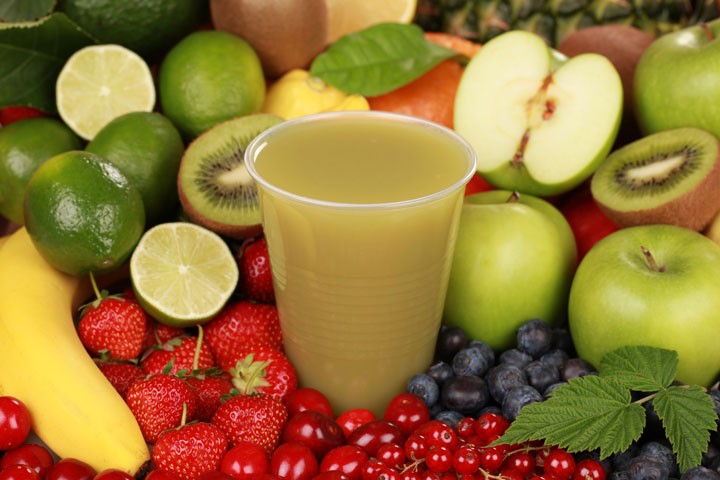
Fresh Fruits & Vegetables
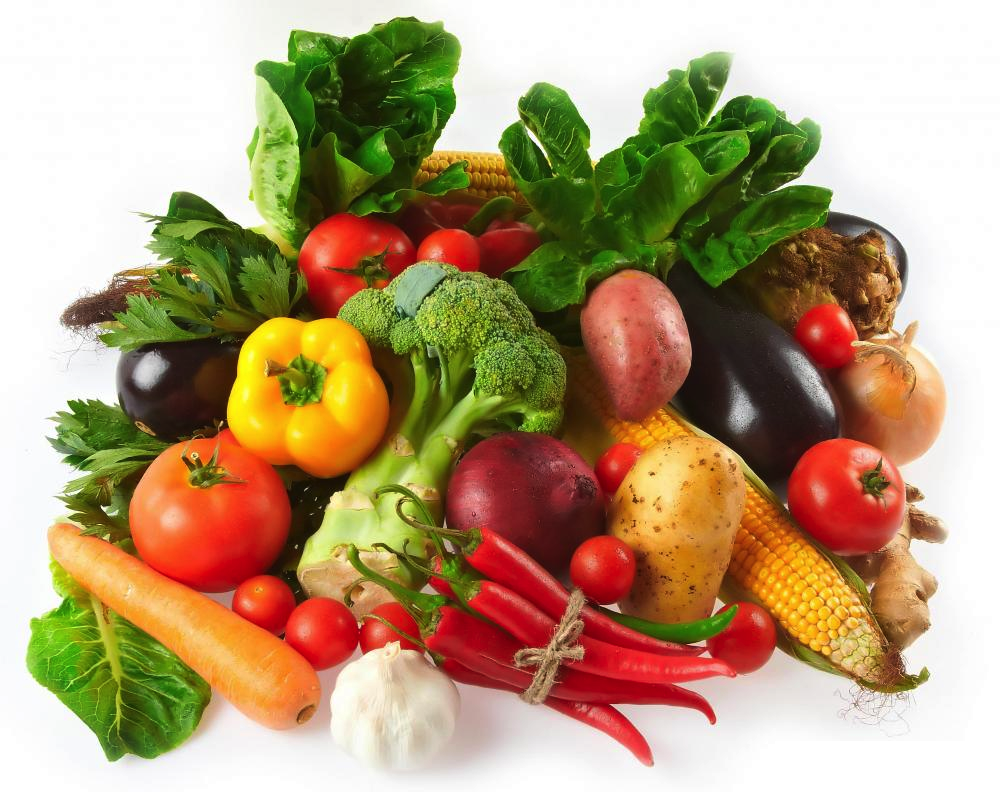
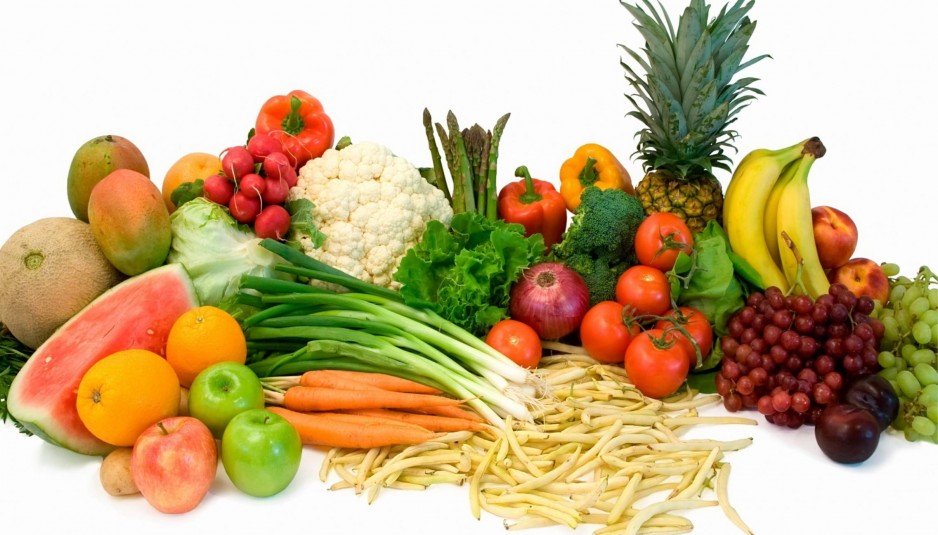
Fresh fruits & vegetables are easy, portable choices. Whenever you leave the house, get into the habit of stashing a fresh snack in your purse or backpack; think: apple, orange, banana, grapes or carrots.
Look for Seasonal Choices: Your heart-healthy recipes will taste even better with produce that’s in season.
- Delicious uses:
- Always top sandwiches with extra vegetables.
- Serve cut-up veggies with hummus or a ”light” dip for a healthy snack.
- Serve a colourful fruit salad for dessert.
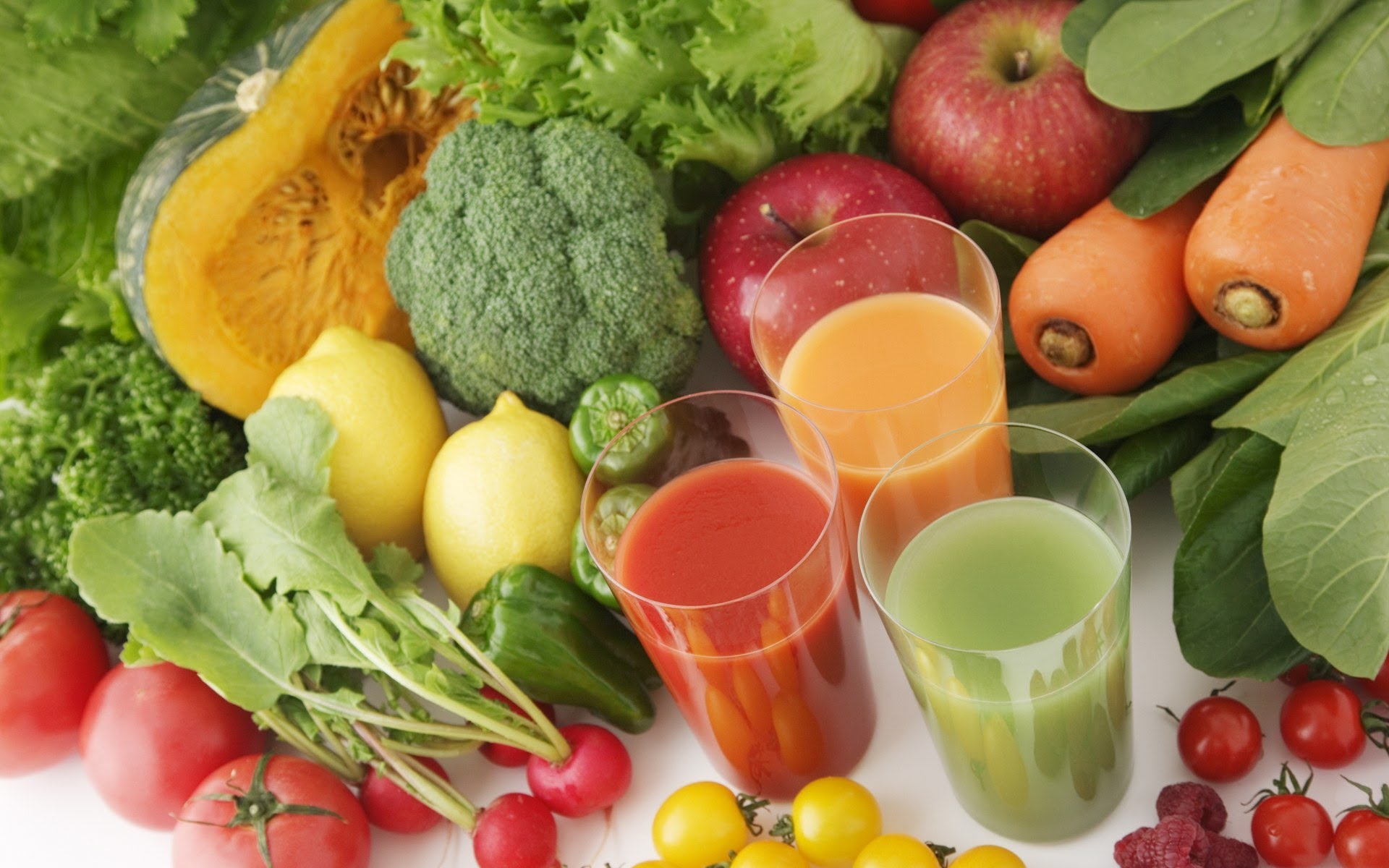
- Add pureed fruits and veggies to sauces, smoothies, soups and more for a boost of flavour and nutrients.
Canned Fruits & Vegetables
Canned fruits and veggies are convenient to have in your pantry for times you can’t get to the store; they can even be kept at work (with a can opener) for an afternoon snack. Since they don’t expire quickly, you won’t waste money when buying canned veggies – which sometimes happens with fresh produce that goes bad.
- Watch for sodium: Sodium is usually added to canned foods to preserve them. Look for low-sodium, reduced-sodium or no-salt-added labeled foods. Compare the sodium content on the Nutrition Facts label and choose the product with the lowest amount. Drain and rinse canned veggies to reduce sodium even more.
- Watch for added sugar: Look for fruit that’s canned in water, its own juice, or light syrup (drain and rinse).
- Delicious uses:
- Add drained cans of corn, tomatoes and pinto beans or any other vegetable to low-sodium chicken broth for a super-fast and filling vegetable soup.
- Use a blender, food processor or a fork to smash drained and rinsed garbanzo beans, northern beans, or any beans into a bean dip for baby carrots; add a little lemon juice and garlic powder for some zip.
- Serve canned fruit as a dessert topped with low-fat, no sugar-added yogurt; or top whole grain cereal with canned fruit.
Frozen Fruits & Vegetables
These are picked at the peak of ripeness and then flash frozen to preserve optimal nutrition. They last for several months in the freezer and can be a very economical choice.
- Watch for Sodium: Compare the sodium content on the Nutrition Facts label and choose the product with the lowest amount. Sauces and seasonings can contain excess salt and add calories.
- Watch for added sugar: Choose 100% frozen fruits without added sugars.
- Delicious uses:
- When you boil pasta, throw in some frozen veggies at the end of the cooking time for added nutrients and variety.
- Whip up a smoothie of frozen fruit, non-fat or low-fat milk and yoghurt.
- Mix frozen berries into baked goods and oatmeal.
|